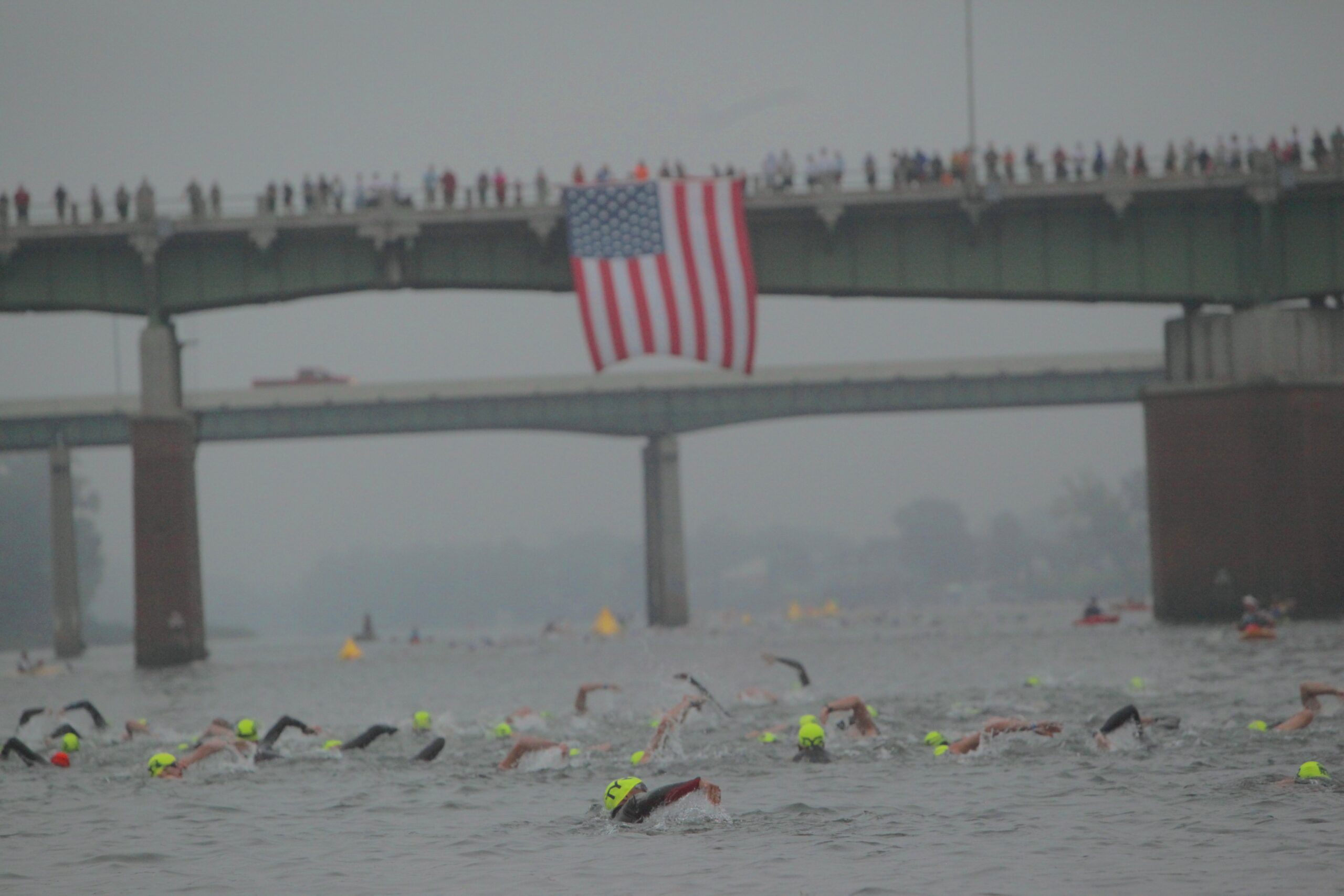
Featured image: Georgia National Guard / Wikimedia Commons / CC BY 2.0
Garmin dominates the triathlon watch market. From the pool to the bike to the finish line, the brand’s Forerunner and Fenix lines cover every distance and budget — and professional triathletes including world champion Anne Haug, 2024 Paris Olympic silver medalist Dorian Coninx, and U.S. women’s champion Taylor Knibb all race on Garmin hardware.
But with five strong options in 2026 ranging from roughly $450 to $1,100, knowing which one fits your race schedule and training goals takes some sorting out. This guide walks through each pick, compares the specs that matter for triathlon, and explains how to match the right watch to your needs.
Quick answer Buy the Garmin Forerunner 965 ($600) for most triathletes — it has 31 hours of GPS battery, AMOLED display, and triathlon coach mode at a price most athletes can justify. Choose the Forerunner 970 ($749) if you want ECG and an LED flashlight. Step down to the Forerunner 265 (~$450) for shorter distances on a budget. Pick the Forerunner 570 ($550) for the smaller 42mm option with coaching. Go with the Fenix 8 Solar ($1,100) only if you race full Ironman and need 95-hour GPS.
The 5 picks at a glance
- Best overall: Garmin Forerunner 965 — AMOLED display, 31h GPS, triathlon coach, proven by elite pros
- Latest Forerunner: Garmin Forerunner 970 — ECG, flashlight, speaker/mic, slightly shorter GPS battery
- Best mid-range: Garmin Forerunner 570 — triathlon coach at a lower price, 42mm option available
- Best budget pick: Garmin Forerunner 265 — AMOLED display and solid GPS under $450
- Best for Ironman: Garmin Fenix 8 Solar — up to 95 hours GPS, built for ultra-long race days
Where to buy
Compare the same watch on both sites: eBay for pre-owned and vintage pieces, Amazon for new stock.
Prices and availability change; check the listing before you buy.
Best Overall: Garmin Forerunner 965
The Forerunner 965 is the watch most triathletes should buy. At $600, it delivers an AMOLED display, a titanium bezel, full triathlon coach mode, and 31 hours of GPS battery life — enough to cover even the longest Ironman-distance finishes without switching to a power-save mode.
Key specs: 47mm case, 53g, 31-hour GPS battery (up to 110 hours in GPS power-save mode), AMOLED display, 5ATM water resistance, titanium bezel, multiband GPS.
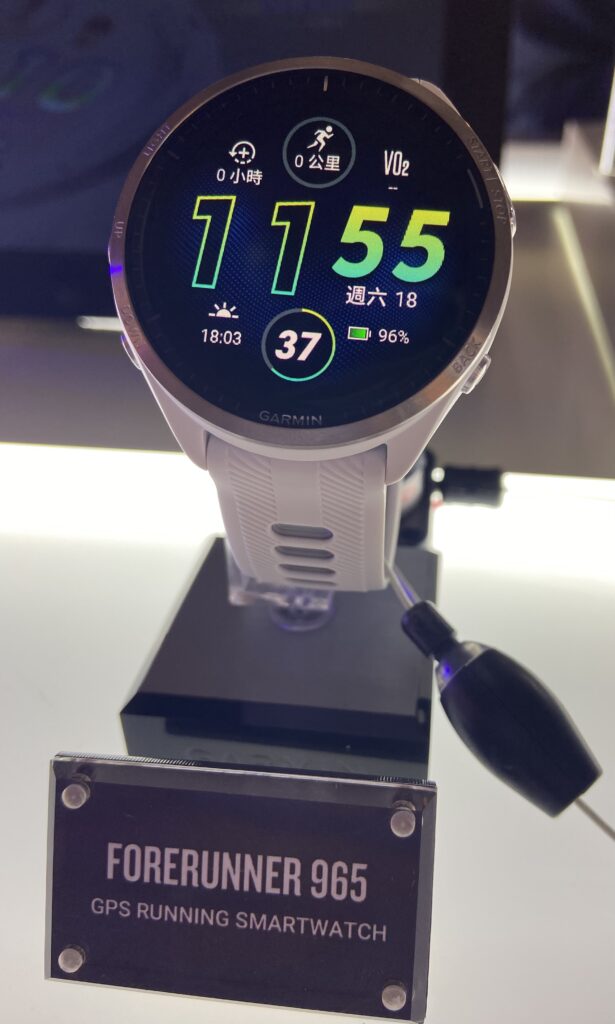
Why triathletes choose it: The 965 is the proven race watch at the elite level. Garmin confirms that world champion Anne Haug, 2024 Paris Olympic silver medalist Dorian Coninx, and U.S. women’s triathlon champion Taylor Knibb all compete on the Forerunner 965. The triathlon coach feature uses your body battery, HRV, and training load data to suggest daily workouts and flag when you need recovery.
If you’re deciding between the 265 and 965, the Garmin Forerunner 265 vs 965 comparison breaks down exactly where the extra $150 goes. For a wider look at the best Garmin options across all sports, the best Garmin for running guide covers the full lineup.
Who it’s for: Most triathletes — especially anyone racing Olympic, Ironman 70.3, or full Ironman distances where the 31-hour GPS window covers every realistic finish time.
Trade-off: Missing the ECG, integrated speaker/mic, and LED flashlight found on the newer 970. The 47mm case may be large for smaller wrists.
Garmin Forerunner 970 (Latest Model)
The Forerunner 970 is Garmin’s most advanced Forerunner to date, released in 2026 as the successor to the 965. It brings a brighter AMOLED display, an integrated LED flashlight, an onboard speaker and microphone for phone calls, and an ECG sensor — all inside a 47mm case that weighs just 56 grams.
Key specs: 47mm case, 56g, 26-hour GPS battery (up to 115 hours in GPS power-save mode), 5ATM water resistance, sapphire crystal glass, multiband GPS, ECG, LED flashlight, speaker/mic.
Why triathletes choose it: The dedicated triathlon activity profile automatically transitions between swim, bike, and run segments. Garmin’s triathlon coach builds structured daily workouts around your HRV status, sleep data, and training load, then adapts as your fitness evolves. The sapphire crystal and titanium bezel make it durable enough for race-day contact in mass-start swims. The LED flashlight is a genuine quality-of-life addition for pre-dawn brick sessions.
Who it’s for: Serious triathletes who want Garmin’s latest technology and don’t mind paying for it.
Trade-off: At $749, it costs $149 more than the 965. Its GPS battery (26 hours) is shorter than the FR965 (31 hours) — which matters on a slow Ironman-distance run when you’re deep into your race day.
Best Mid-Range: Garmin Forerunner 570
The Forerunner 570 sits between the 265 and the 965 in both price and feature set, bringing Garmin’s triathlon coach mode to a lower price point. At $550, it undercuts the 965 by $50 and comes in a 42mm option — something the AMOLED Forerunner line doesn’t offer.
Key specs: Available in 42mm and 47mm cases, 42-50g depending on model, 18-hour GPS battery (solar models extend this significantly), 5ATM water resistance. MIP display.
Why triathletes choose it: The triathlon coach feature builds structured training plans, adjusts workouts based on your HRV status and sleep, and tracks swim-bike-run segments with auto-transition support.
Who it’s for: Triathletes who want structured training guidance but don’t need an AMOLED display, or those who prefer the smaller 42mm case size.
Trade-off: MIP display is harder to read indoors or in low light compared to AMOLED. The 18-hour GPS battery falls short for full Ironman events without switching to a power-save GPS mode.
Best Budget Pick: Garmin Forerunner 265
The Forerunner 265 is the most affordable AMOLED Garmin watch with reliable triathlon tracking. At approximately $450, it delivers a bright, vivid display, 20 hours of GPS battery life, and automatic swim-bike-run transitions in a 46mm (or 41.7mm for the 265S) package.
Key specs: 46mm (265) or 41.7mm (265S), 47g, 20-hour GPS battery, AMOLED display, 5ATM water resistance, multiband GPS.
Why triathletes choose it: The AMOLED display is bright and easy to read in transition zones, and the multisport triathlon mode handles automatic segment transitions. For sprint and Olympic distance athletes, the 20-hour GPS battery is more than adequate.
Who it’s for: Beginners and intermediate triathletes racing sprint and Olympic distances, or budget-conscious athletes who want an AMOLED display over coaching features.
Trade-off: No dedicated triathlon coach mode (that starts with the Forerunner 570). The 20-hour GPS battery is tight for full Ironman events.
Best for Ironman: Garmin Fenix 8
For full-distance Ironman racing — where a 2.4-mile swim, 112-mile bike, and marathon can combine to 14-17 hours of active GPS time — the Fenix 8 is the only Garmin option that provides true all-day GPS confidence. Solar models push GPS endurance to 95 hours, far beyond any other watch in this guide.
Key specs: Available in 43mm, 47mm, and 51mm cases; up to 95 hours GPS (solar models); AMOLED display on standard models; multiband GPS; sapphire solar crystal on higher tiers; 10ATM water resistance; titanium bezel.
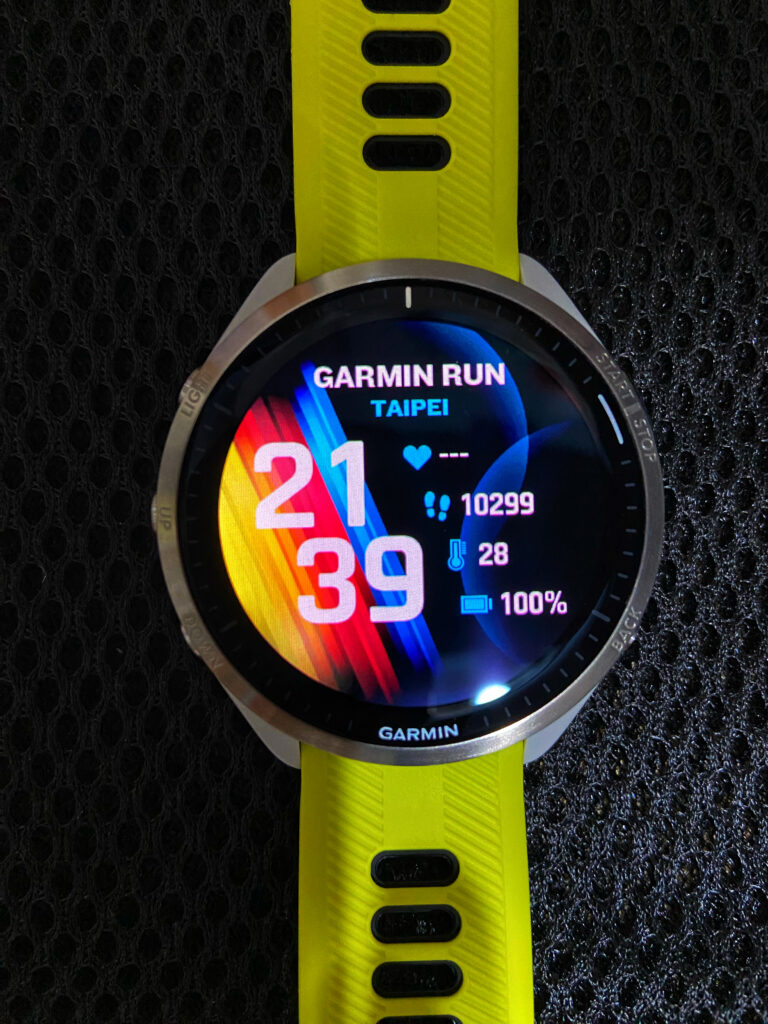
Why triathletes choose it: The Fenix 8 Solar handles the longest cut-off-chasing Ironman finishes with GPS battery to spare. Its rugged titanium bezel and sapphire crystal withstand the kind of contact that happens in mass-start swims. It includes the same triathlon activity profiles, triathlon coach, and training load analysis found in the top Forerunner models.
The Garmin Enduro is an alternative worth considering for ultra-long-course events.
Who it’s for: Full-distance Ironman athletes, ultra-distance racers, or multi-sport athletes who want one watch for triathlon and outdoor adventure.
Trade-off: At $1,100, it’s the most expensive option in this guide. For sprint and Olympic distance triathlon, the extra battery life is unnecessary.
Comparison Table
| Watch | Price | GPS Battery | Display | Weight | Triathlon Coach | Water Resistance |
|---|---|---|---|---|---|---|
| Forerunner 965 | $600 | 31h | AMOLED | 53g | Yes | 5ATM |
| Forerunner 970 | $749 | 26h | AMOLED | 56g | Yes | 5ATM |
| Forerunner 570 | $550 | 18h | MIP | 42-50g | Yes | 5ATM |
| Forerunner 265 | ~$450 | 20h | AMOLED | 47g | No | 5ATM |
| Fenix 8 Solar | $1,100 | Up to 95h | AMOLED | Varies | Yes | 10ATM |
How to Choose the Right Garmin for Triathlon
Start with race distance. For sprint and Olympic distances, every watch in this list has adequate GPS battery. For Ironman 70.3, the Forerunner 265 and 570 have enough capacity. For full Ironman, only the Forerunner 965 (31h) or Fenix 8 Solar (up to 95h) provide comfortable margins without relying on power-save GPS.
Decide on coaching features. The triathlon coach mode available on the 570, 965, and 970 builds personalized daily workouts, tracks training load, and adjusts for recovery. If you follow a coach’s plan, any watch with basic triathlon multisport mode (including the 265) is sufficient.
AMOLED vs. MIP display. AMOLED displays (265, 965, 970, Fenix 8) are vivid and easy to read indoors and in low light. MIP displays (the 570 without solar) are more power-efficient and work well outdoors in bright sunlight. Both are readable in race conditions.
Consider wrist size. Garmin’s 42mm options include the Forerunner 570 (42mm version) and the Forerunner 265S (41.7mm). Everyone else is working with a 46mm or larger case.
Set a budget range. The Forerunner 965 delivers the best combination of features and GPS battery at $600. The 265 is the right call for beginners or shorter distances at ~$450. The 970 is worth the upgrade if you want ECG and the latest Garmin tech. The Fenix 8 makes sense only if battery life is a primary concern.
If you’re also comparing against non-Garmin options, the Suunto vs Garmin and Coros vs Garmin guides are worth reading. For a broader comparison, the best running watch guide covers options across all major brands.
FAQ
What Garmin watch does Anne Haug use?
World triathlon champion Anne Haug trains and races with the Garmin Forerunner 965, as confirmed on Garmin’s official ambassador page. Fellow Garmin athletes Dorian Coninx (2024 Paris Olympic silver medalist) and Taylor Knibb (U.S. women’s triathlon champion) also compete on the Forerunner 965.
Is the Garmin Fenix 8 good for triathlon?
Yes. The Fenix 8 includes full triathlon multisport mode, Garmin’s triathlon coach, and up to 95 hours of GPS battery in solar models — making it particularly well-suited for Ironman and ultra-long-course events. Its 10ATM water resistance and rugged build also hold up under demanding race conditions.
Does the Garmin Forerunner 265 have a triathlon mode?
Yes, the Forerunner 265 includes a basic triathlon multisport activity profile that handles automatic swim-bike-run transitions. However, it does not include Garmin’s dedicated triathlon coach mode, which starts with the Forerunner 570.
What is the best Garmin watch for Ironman?
For Ironman-distance racing, the Garmin Fenix 8 Solar or Forerunner 965 are the strongest choices. The Fenix 8 Solar offers up to 95 hours of GPS battery with no need to switch modes; the Forerunner 965 provides 31 hours at a lower $600 price point. For a broader comparison, see the best running watch guide.
How does Garmin compare to Coros for triathlon?
Both brands make excellent triathlon watches. Garmin generally wins on ecosystem depth, coaching tools, display quality, and app integration; Coros is competitive on GPS battery life and pricing. For a detailed breakdown, the Coros vs Garmin comparison covers both brands across key triathlon criteria.
Sources
- Garmin Forerunner 970 product page — garmin.com (2026)
- Garmin Forerunner 965 product page — garmin.com (2023)
- Garmin Forerunner 570 product page — garmin.com (2025)
- Garmin Forerunner 265 product page — garmin.com (2023)
- Garmin Fenix 8 product page — garmin.com (2024)
- DC Rainmaker: Garmin Forerunner 970 In-Depth Review — dcrainmaker.com (2026)
- DC Rainmaker: Garmin Forerunner 965 In-Depth Review — dcrainmaker.com (2023)
- Garmin Team page (Anne Haug, Dorian Coninx, Taylor Knibb) — garmin.com/en-US/garmin-team/