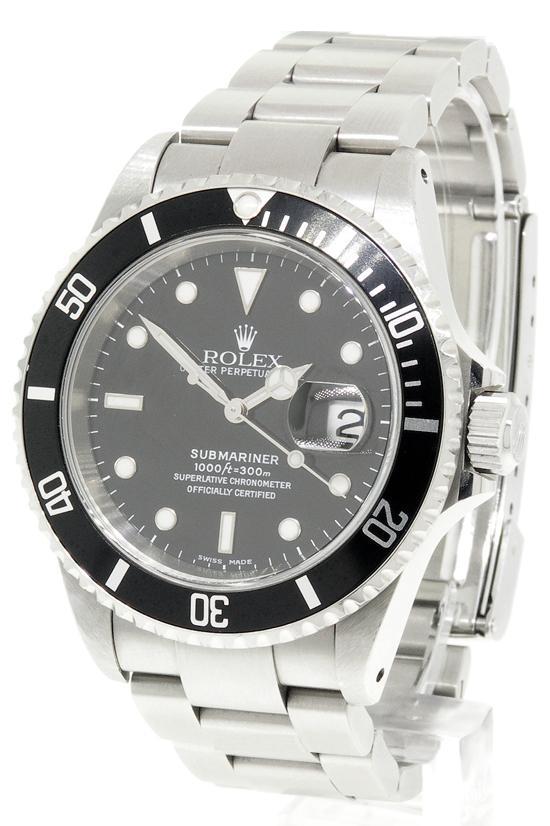
Dale Earnhardt wore a Rolex Submariner as his go-to trackside watch and a stainless steel Rolex Oysterquartz Datejust on the day he clinched his sixth Winston Cup championship — and over the course of his career he collected at least ten Rolex Daytona Cosmograph chronographs as prize watches for race victories at Daytona International Speedway.
Quick answer — Earnhardt is photographically documented wearing two personal Rolex watches: a Rolex Submariner, seen after his win at the 1990 Winston All-Star Race at Charlotte Motor Speedway, and a stainless steel Rolex Oysterquartz Datejust, photographed when he won the 1990 Atlanta Journal 500 and secured his sixth championship. He also won ten Rolex Daytona Cosmograph chronographs as prizes for his ten consecutive victories in the Twin 125 qualifying races at Daytona between 1990 and 1999, and received a winner’s Daytona when he finally claimed the 1998 Daytona 500. His specific reference numbers have not been publicly confirmed.
The Rolex Submariner: Earnhardt’s Trackside Watch
The watch most closely associated with Earnhardt in period photographs is the Rolex Submariner. According to RolexMagazine.com, which cross-references vintage press photos, he was photographed wearing a stainless steel Submariner following his win at the 1990 Winston All-Star Race at Charlotte Motor Speedway. The All-Star Race was one of the most watched events on the NASCAR calendar, and photographs from that celebration caught Earnhardt with the watch visible on his wrist.
The Submariner was a logical choice for a man of Earnhardt’s character. It is a tool watch — built for divers, robust, water-resistant to 300 metres, and entirely unflashy on a metal bracelet. It suited a racing driver who grew up working on engines in Kannapolis, North Carolina, and who wore his success without ostentation. The Submariner in 1990 was most commonly the reference 16610, the dominant version introduced in 1988 with a sapphire crystal and screw-down crown.
| Spec | Rolex Submariner Date (ref. 16610, circa 1990) |
|---|---|
| Case size | 40 mm |
| Case material | Oystersteel (stainless steel) |
| Movement | Rolex Calibre 3135, automatic |
| Water resistance | 300 m (1,000 ft) |
| Crystal | Sapphire |
| Approximate retail (1990) | About $2,500 new; pre-owned examples today range from roughly $8,000 to $14,000 |
The reference number for Earnhardt’s specific Submariner has not been publicly confirmed. The 16610 was the most common steel Sub of that era, though earlier references such as the 16800 or non-date 14060 were still in circulation. What the photographic record establishes is the characteristic black-dial, stainless steel profile that made the Submariner the defining sports watch of its generation.
Where to buy
Compare the same watch on both sites: eBay for pre-owned and vintage pieces, Amazon for new stock.
undefined
undefined
undefined
Prices and availability change; check the listing before you buy.
The Rolex Oysterquartz: A Championship Watch
The second watch documented on Earnhardt’s wrist was a stainless steel Rolex Oysterquartz Datejust, photographed on the day he clinched his sixth Winston Cup title at the 1990 Atlanta Journal 500. That race win gave him the championship with one event still remaining in the season — a moment of genuine triumph that photographers captured from every angle, the watch included.
The Oysterquartz is one of the more unusual chapters in Rolex history. Produced from 1977 to 2001, it replaced the traditional Oyster case with an angular, integrated bracelet design that was closer in spirit to Audemars Piguet’s Royal Oak than to anything else in the Rolex range. It came as a Day-Date (in precious metals only) and as a Datejust (available in stainless steel, two-tone, and gold). Earnhardt’s was stainless steel, which points to the Datejust variant in the ref. 17000 or 17013 series.
| Spec | Rolex Oysterquartz Datejust (ref. 17000 series, circa 1990) |
|---|---|
| Case size | 36 mm |
| Case material | Oystersteel |
| Movement | Rolex Calibre 5035, quartz |
| Crystal | Sapphire |
| Bracelet | Integrated Oysterquartz bracelet (angular links) |
| Production period | 1977–2001 (now discontinued) |
| Approximate pre-owned price today | Roughly $3,500–$7,000 depending on condition and dial |
The Oysterquartz stopped production the same year Earnhardt died at Daytona. It is now a quietly sought collector’s piece — angular and distinctive where the Submariner is round and orthodox. That Earnhardt owned both suggests a man who understood what Rolex had to offer across its range, not simply someone who wore a logo.
The Prize That Never Ended: Ten Rolex Daytona Cosmographs
Rolex has been the official timekeeper of Daytona International Speedway since 1962, the same year the Daytona 500 became the most important race in American motorsport. In 1963 Rolex renamed its racing chronograph the “Daytona” in honour of the track, and the brand began awarding watches to winners of major Daytona events — including the 24 Hours of Daytona, the 500, and the qualifying races that preceded both.
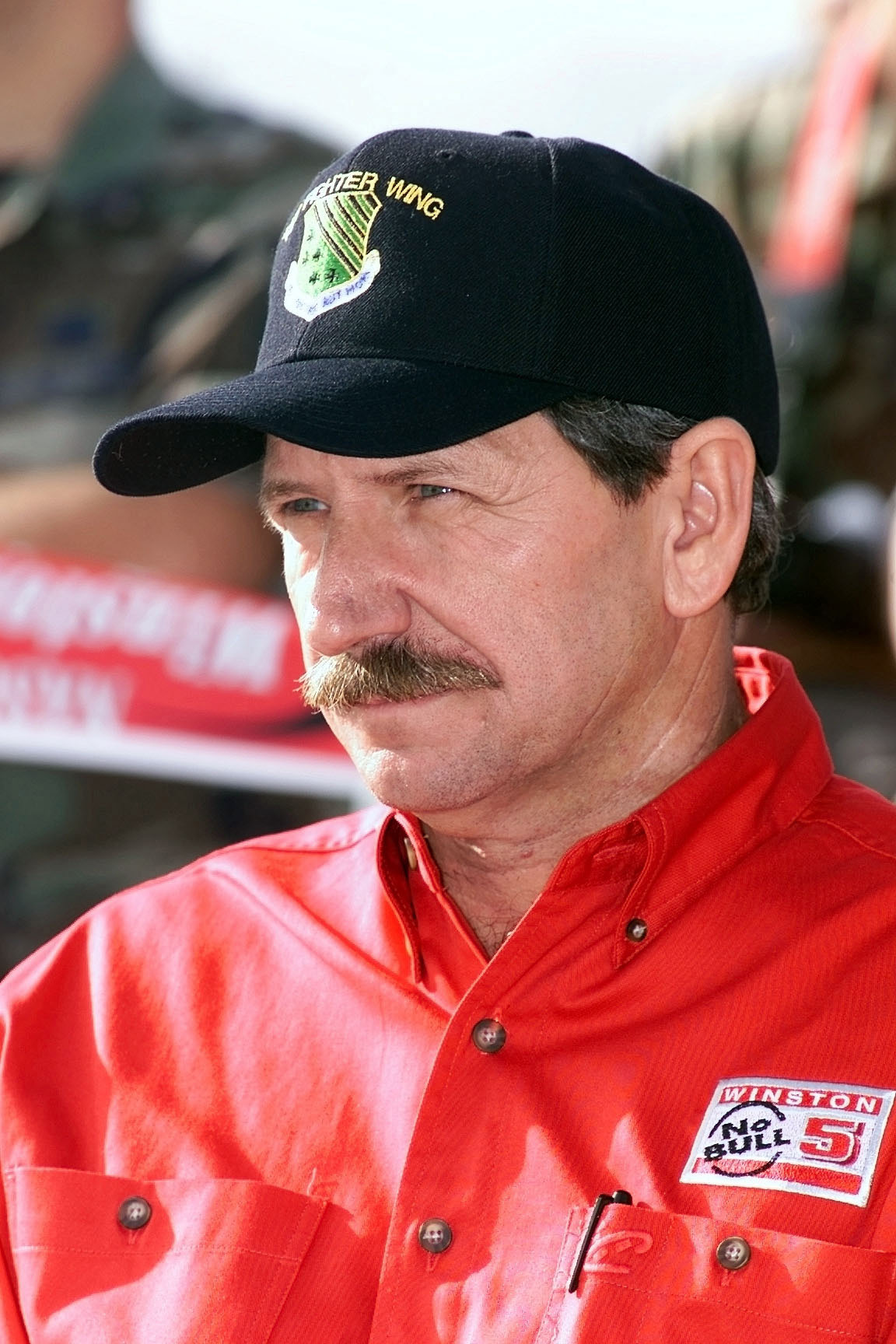
The Twin 125 qualifying races — now known as the Bluegreen Vacations Duals — are held each February before the Daytona 500. From 1990 through 1999, the winner of each qualifier received a Rolex Daytona Cosmograph chronograph. Dale Earnhardt won his qualifying race every single year for a decade, collecting ten watches in a row. After his tenth consecutive win in 1999, he told reporters he planned to wear that watch the following year as a good-luck charm for a race he had still never won: the Daytona 500 itself.
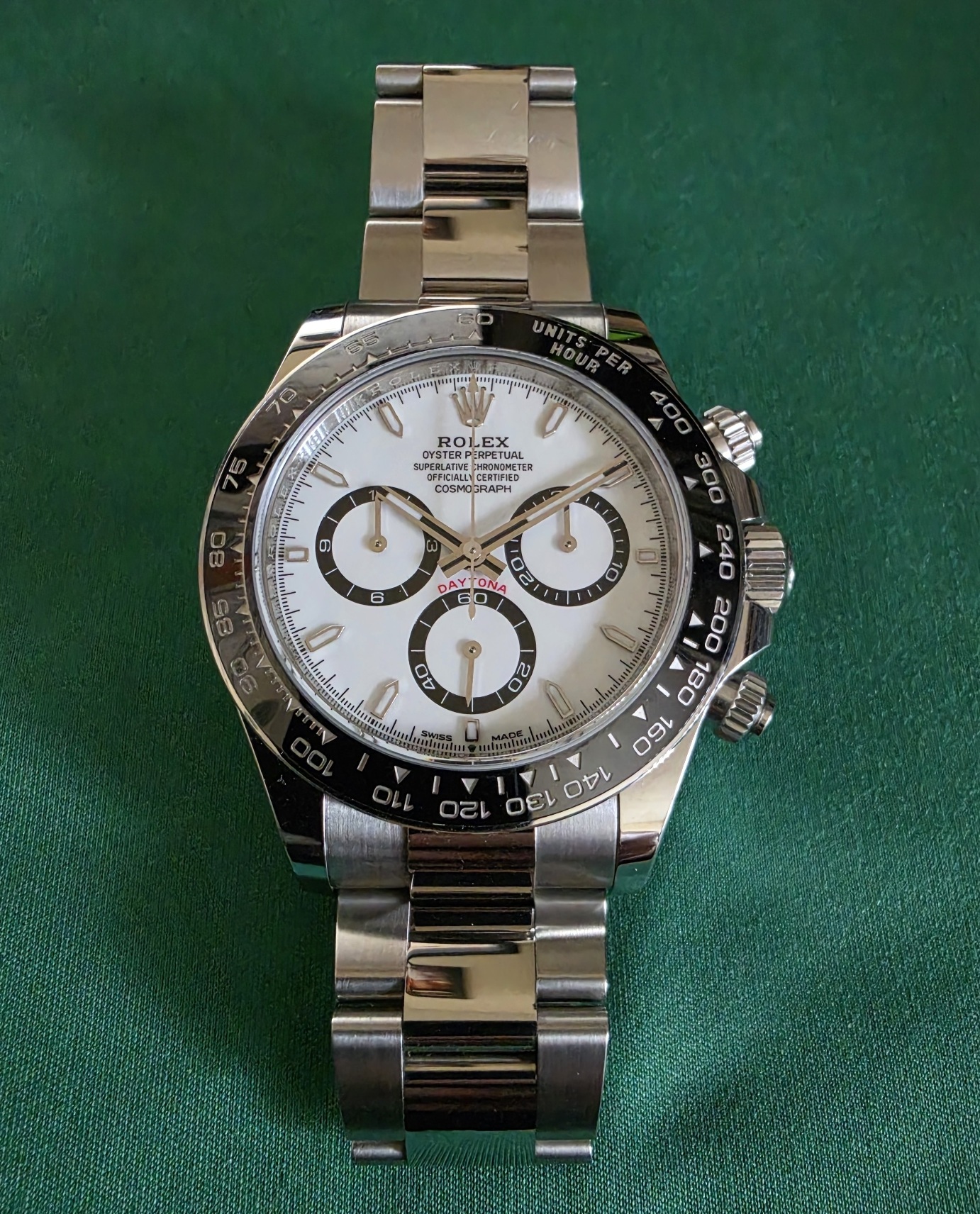
The watches from that period would have been the reference 16520, the steel Daytona produced from 1988 to 2000 — the most collectable version of the modern Daytona, with its El Primero-based Zenith movement and compact 40 mm case. The 2001 replacement, the reference 116520, arrived just as Earnhardt was preparing for his final Daytona. Whether the prize watches he collected were engraved with his name or carried any personalisation is not publicly known.
When Earnhardt finally won the Daytona 500 in 1998 — his twenty-first attempt, in a career that had seemed cursed in that specific race — he would have received a winner’s Rolex Daytona with “Winner” engraved on the caseback. That watch has not appeared at public auction. His estate, children including Dale Earnhardt Jr., and the broader NASCAR community have treated his personal belongings with considerable care, and his private collection remains private.
Rolex in NASCAR: A Wider Pattern
Earnhardt was not alone in his Rolex affiliation among NASCAR’s elite. The brand’s deep connection to Daytona made it the de facto watch of the sport’s champions across several generations. Richard Petty wore a stainless steel Rolex Daytona with a black dial during his peak years, famously wearing it face-inward to minimise damage — a habit that made clean photographs of it rare. Cale Yarborough was photographed in a yellow gold Rolex Day-Date at the 1986 Daytona 500. A.J. Foyt, the crossover racing legend, wore a yellow gold GMT-Master at the 1988 edition of the same race.
None of these arrangements were formal sponsorships. Rolex has never paid NASCAR drivers to wear its watches in the traditional ambassador sense. The connection was organic: Rolex gave watches to race winners, and the winners wore them. Among the top NASCAR drivers of the 1980s and 1990s, a Rolex was simply what you wore when you won at Daytona. For Earnhardt, who won there almost every time he entered anything but the main event, the watches accumulated naturally. For a deeper look at how Rolex has become shorthand for sporting achievement across different disciplines, the Roger Federer Rolex profile covers the brand’s ambassador history in tennis with similar depth.
Unlike some European motorsport drivers who carried formal TAG Heuer or Breitling relationships, Earnhardt wore Rolex without a contract — which in some ways makes the connection more authentic. These were the watches he chose when he could have chosen anything.
Alternatives for Fans Who Want the Look
The Rolex Submariner that Earnhardt wore is a living model, still in production in updated form as the reference 126610LN. Current retail price in the US is around $10,150 — if you can find one at that price, which in practice remains difficult given persistent demand over supply. Pre-owned examples of the previous reference 116610LN start at roughly $9,000 through established dealers.
Tudor Black Bay 58 ($3,595) is the most recommended Submariner alternative for most budgets. Tudor is Rolex’s sister brand, sharing movement technology, bracelet finishing and quality control at a significantly lower price point. The Black Bay 58 replicates the Submariner’s silhouette with a 39 mm case that sits slightly smaller on the wrist — closer in size to the Submariners of Earnhardt’s era than the current 41 mm models. It is widely available without the waitlists attached to Rolex.
For the racing chronograph angle — representing Earnhardt’s string of Daytona prize watches — the Tudor Black Bay Chrono ($5,325) gives you the same brand family in a sport-chronograph format. If you want to stay under $2,000, the Hamilton Intra-Matic Chronograph H ($1,195–$1,595) is a compelling option: American heritage, Swiss movement, and a tachymeter bezel appropriate for a racing tribute. Seiko’s Prospex Solar Speedtimer (around $500) covers the entry-level racing chronograph for anyone just getting into the category.
For the Oysterquartz look — the angular integrated-bracelet Datejust Earnhardt wore on championship day — the modern equivalent from Rolex is the standard Datejust 36 on Jubilee bracelet (from $7,750). The Tudor Royal ($2,100) offers a similar formal register at a more accessible price. The Oysterquartz itself, now discontinued, turns up regularly in pre-owned markets; a stainless steel Datejust version in good condition can be found for $4,000–$6,500 through reputable dealers. Buying the actual model Earnhardt wore is entirely possible. For other examples of sports celebrities with notable watch choices, the Serena Williams watch profile covers the athletic-luxury bracket from a different angle.
For buyers looking broadly at which brands produce the best combination of heritage, resale value, and wearability in the Rolex mould, the ranked guide to watch brands and the celebrity watch overview both offer useful context for where these models sit relative to competitors.
FAQ
What watch did Dale Earnhardt wear?
Dale Earnhardt is documented wearing a Rolex Submariner (photographed after the 1990 Winston All-Star Race) and a stainless steel Rolex Oysterquartz Datejust (when he won the 1990 Atlanta 500 and his sixth championship). He also received at least ten Rolex Daytona Cosmograph chronographs as prize watches for his ten consecutive wins in the Twin 125 qualifying races at Daytona from 1990 to 1999.
Did Dale Earnhardt have a watch sponsorship with Rolex?
No. Earnhardt had no formal watch sponsorship with Rolex or any other watch brand. His Rolex watches were either personal purchases or prizes awarded by Rolex for race wins at Daytona International Speedway, where Rolex has been the official timekeeper since 1962.
How many Rolex watches did Dale Earnhardt win?
Earnhardt won at least ten Rolex Daytona Cosmograph chronographs for his ten consecutive victories in the Twin 125 qualifying race at Daytona from 1990 through 1999. He would also have received a Daytona 500 winner’s Rolex in 1998 when he finally won that race after twenty previous attempts, bringing the confirmed total to at least eleven prize watches.
What is a good affordable alternative to Dale Earnhardt’s Rolex Submariner?
The Tudor Black Bay 58 (around $3,595) is widely considered the best Submariner alternative at a significantly lower price, offering similar quality and design from Rolex’s sister brand. For tighter budgets, the Seiko SPB143 Prospex (around $650) is a well-made automatic diver that captures the tool-watch character of the Submariner without the premium price.
Did Dale Earnhardt ever race in the Rolex 24 at Daytona?
Yes. Earnhardt participated in the 24 Hours of Daytona, the endurance race that is distinct from the Daytona 500 NASCAR event. He raced in the Rolex 24 as recently as January 2001, just two weeks before his death in the Daytona 500 on February 18, 2001. Despite his success in the qualifying races, he never won the 24-hour endurance version of the event.
What reference number was Dale Earnhardt’s Rolex Submariner?
The specific reference number has not been publicly confirmed. In 1990, the dominant steel Submariner was the reference 16610, introduced in 1988 with a sapphire crystal and automatic Calibre 3135 movement. It is the most likely candidate, though earlier references such as the 16800 or the non-date 14060 were still in circulation at the time.
Sources
- EssentiallySports: How Dale Earnhardt Won 10 Rolex Watches
- RolexMagazine.com: US Racing Drivers and Rolex
- Motorsport.com: Memories of Earnhardt Sr. Racing the Rolex 24
- Phillips Auction: LeeRoy Yarbrough and the Rolex Daytona
- GearPatrol: Rolex Cosmograph Daytona Alternatives